Embedded Yocto Training

Course Highlights

Embedded Yocto Project Training

Master the Industry-Standard Toolset for Custom Embedded Linux Development

The Yocto Project is the benchmark in the embedded Linux ecosystem, empowering developers with the tools to create secure, efficient, and highly customizable Linux distributions tailored to any hardware platform. From consumer electronics and industrial automation to automotive ECUs and IoT devices, Yocto is your gateway to full control over your embedded operating system.

Whether you’re targeting ARM-based platforms, custom SoCs, or low-power devices, this training equips you with the expertise to go from initial setup to production-ready images – the professional way. Gain full mastery over recipes, layers, configuration files, board support packages (BSPs), and distribution building.

Embedded Automotive Training Overview

WE ARE MORE THAN A TRAINING CENTER,
WE ARE A CAREER SHAPER

Our course is designed by Industry experts and comes with 100% placement assurance. Our course is designed in such a way that the candidates taking our #pictraining and #armtraining feels they are more than 1.5 years experienced. This enables them to face the interview for #embeddedjobs with confidence and clear the interviews. The candidates undergoing #embeddedtrainingcourse in our facility is equipped with #realtimeexamples like writing test code for Engine Control Unit (ECU), Infotainment system, Airbag controller etc., . Our embedded training also includes an introduction to the latest concepts like AUTOSAR, RTOS, Embedded Linux, Device drivers, Boot loader development etc

Secure Testing & Challenges

Interactive activities that promote safe and smart exploration.

Strong Base For All

Building early skills in a fun and engaging way to support future success.

Education Training

All-Round Personal Growth

Focus on emotional, social, and cognitive development.

Safe & Caring Environment

A nurturing atmosphere where children feel loved, encouraged, and secure.

What You'll Learn (Course Highlights)

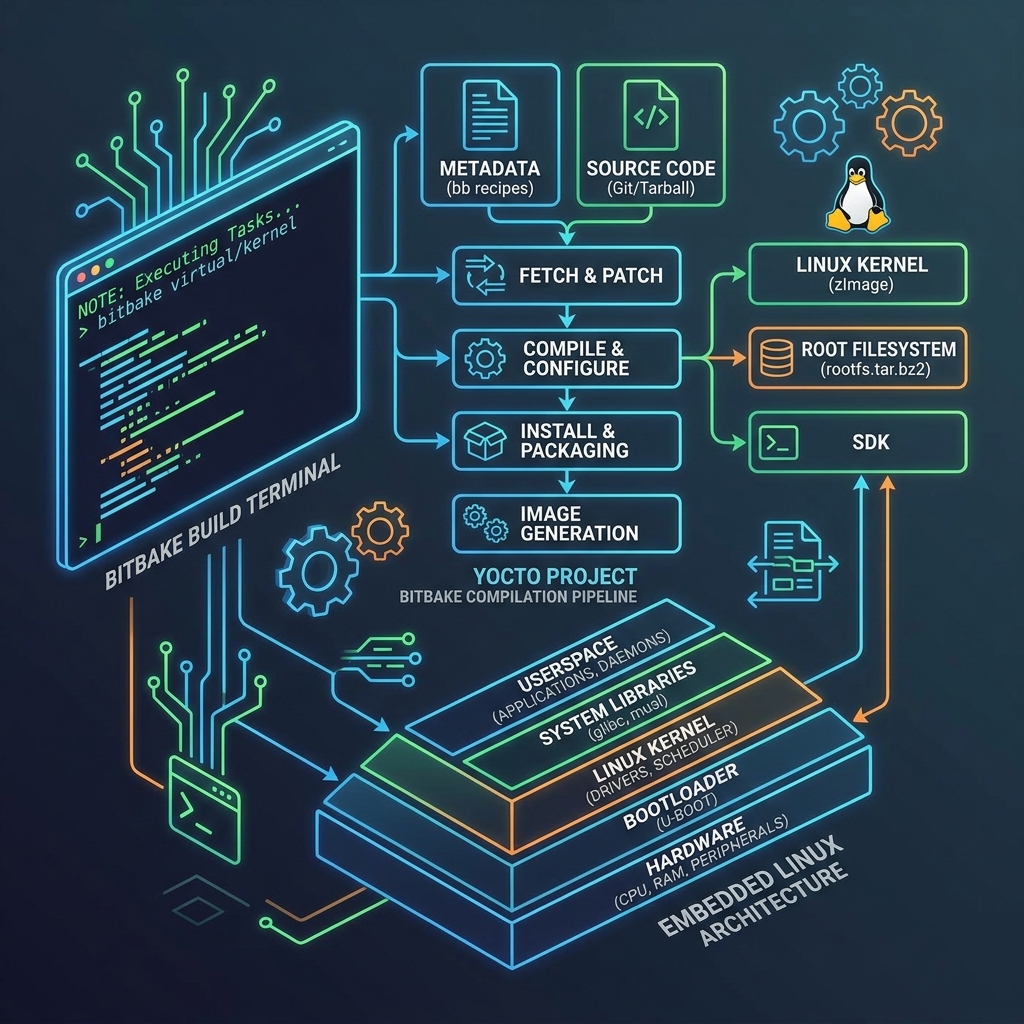
  • 1. Yocto Project Basics – Poky distribution, BitBake execution engine, metadata structures, and layers
  • 2. Custom Recipes & Layers – Creating custom recipe files and software metadata layer configurations
  • 3. BSPs & Machine Configurations – Understanding BSP layers, custom board integrations, and machine configurations
  • 4. Device Driver Integration – Adding, configuring, and loading custom platform device drivers
  • 5. Application Deployment – Packaging and integrating proprietary applications directly into Yocto images
  • 6. Kernel Customization & Patching – Customizing Linux kernel configurations and deploying kernel patches
  • 7. Production Image Tools – Custom image generation, cross-compilation SDK creation, and deployment
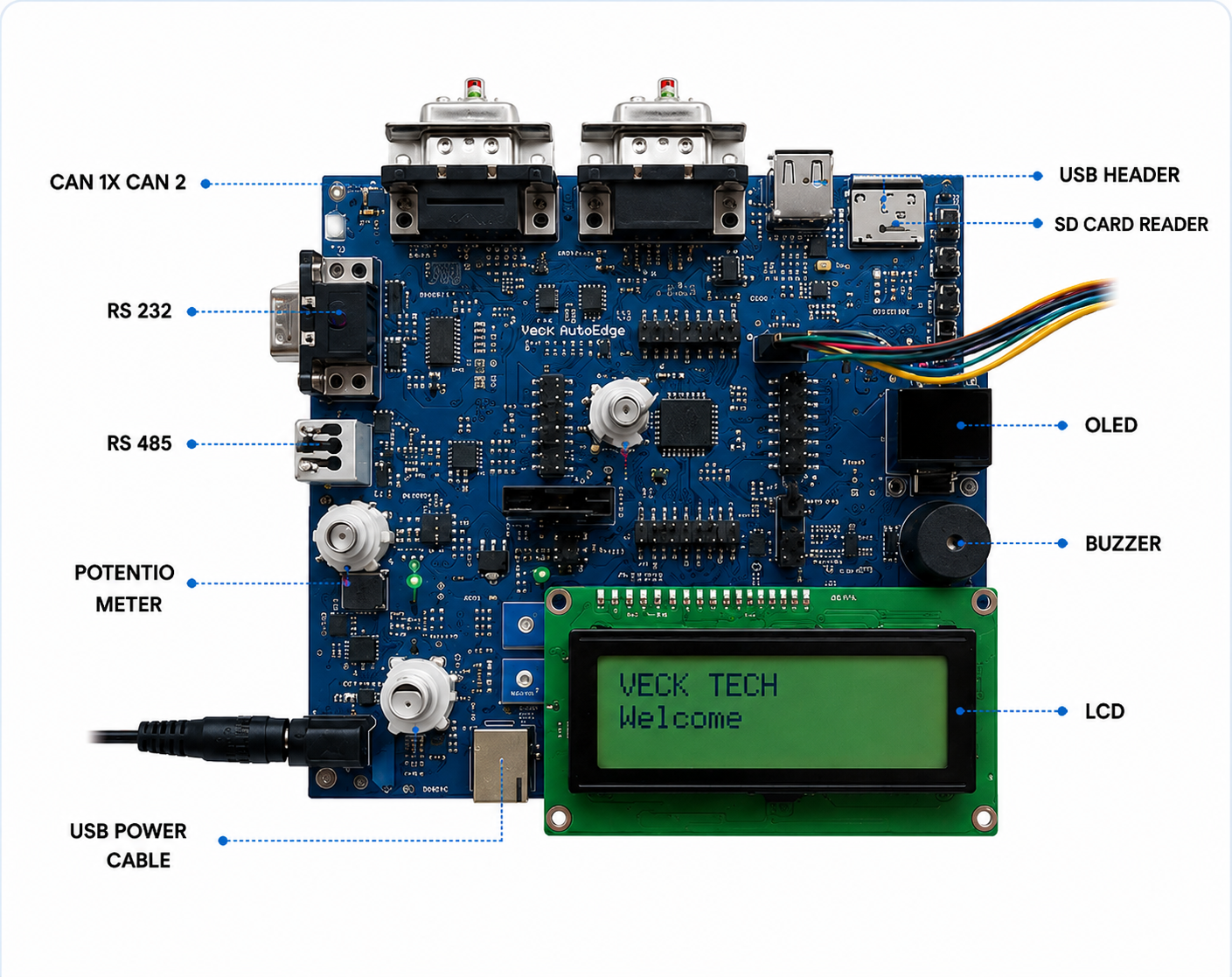
  • 8. Hardware & Board Setup – Testing builds on Raspberry Pi, BeagleBone, and custom VAct AutoEdge boards

Real-World Applications

This training equips your product engineering teams to:

  • Build Complete Linux Distributions: Tailor the operating system footprint precisely to your proprietary hardware
  • Integrate Software Seamlessly: Cleanly add custom device drivers, libraries, and applications
  • Troubleshoot Build Errors: Master logs and BitBake devtool commands to quickly debug system errors
  • Production Flashing & Deployment: Prepare secure Yocto-based Linux images for secure mass deployment
  • Customize Embedded Linux Platforms: Create tailored Linux distributions optimized for specific hardware requirements and product needs.
  • Accelerate Product Development: Reuse recipes, layers, and build configurations to reduce development time and improve productivity.
  • Enable Long-Term Product Maintenance: Manage software updates, security patches, and version control efficiently throughout the product lifecycle.

Hands-On Practice With:

  • Linux Image Building – Compile minimal and full-featured Linux images from scratch
  • Recipes & Layers – Create custom layers and write BitBake recipes for your own services
  • BSP Porting – Port Linux Board Support Packages (BSPs) to custom target hardware
  • Build Debugging – Troubleshoot build issues, read build logs, and use interactive shells
  • Root Filesystem Customization – Configure system init sequences with BusyBox and Systemd

Embedded Linux And Yocto Project Syllabus

  • Understanding Embedded Systems
  • Fundamentals of Embedded Systems
  • Introduction to Embedded Linux
  • Various Platforms of Embedded Linux
  • Real-time Examples
  • Overview of Embedded Linux and its architecture

  • Introduction to Raspberry Pi
  • Block diagram and working with Raspberry Pi
  • Comparison of various Raspberry Pi models
  • Understanding SoC Architecture
  • Problem definition of SoCs used in Raspberry Pi
  • Pin configuration of Raspberry Pi
  • Interfacing Raspberry Pi with External Devices
  • Getting started with Projects

  • Introduction to Linux
  • Simplified Linux System Architecture
  • Standard Linux Boot chain & File Systems
  • Raspbian OS � Fundamentals and Tools used
  • Installing Built OS on Raspberry Pi
  • Foundations and Popular Linux commands
  • Booting and Basic Configuration of Raspberry Pi

  • C Fundamentals � Compiled Language
  • C Concepts � Data types, variables, conditional statements, and loops
  • C Library Installation in Raspberry Pi
  • Compiling C Programs
  • Using Wiring Pi for GPIO Programming
  • Interfacing Raspberry Pi with C
  • Practical Exercises & Assignments

  • Introduction to Python
  • Python vs Other Languages and its overview
  • Applications of Python
  • Understanding Python as an Interpreted Language
  • Variables, Keywords, Operators, and Operands
  • Data Types in Python & Importing Libraries
  • Flow Control, Conditional Statements, and Loops
  • Sensor Interfacing Projects � Temperature, Motion, and Obstacle detection
  • Communication using Raspberry Pi � GSM interfacing & Accessing on-board Wi-Fi
  • Database connection with Raspberry Pi

  • Introduction: Various ways of creating Embedded Linux, building principles, Yocto Project features, architecture, documentation, and Yocto community.
  • Building First Image: Installing Docker, basic Yocto terms, core components, build system workflow, building a first Raspberry Pi image, and customizing target images.
  • Yocto Bitbake and Others: BitBake overview, BitBake rootfs, tasks, useful commands, Yocto layout, layers command, creating a custom image, machine & distribution, and writing the first software recipe.

  • Raspberry Pi 3 Boot sequence
  • Creation and usage of custom SDKs
  • Using the SDK with Qt Creator
  • Designing custom Linux distributions for Yocto Projects
  • Key challenges in Yocto Projects
  • Building an Operating System (OS) in Real-Time using Yocto

  • Comprehensive overview of embedded systems
  • Deep-dive into Yocto Project architecture and its ecosystem components
  • Understanding the distinct benefits of Yocto Project for modern embedded development

  • Installing required host software packages and utilities (Yocto, OpenEmbedded, etc.)
  • Configuring build configurations and workspace environments
  • Practical introduction to BitBake execution commands and recipe structures

  • Understanding layers, metadata design, and their significance
  • Creating and managing custom software and target layers
  • Writing, analyzing, and building custom configuration recipes

  • Creating modular custom distributions using Yocto variables
  • Customizing Linux kernel configurations (defconfig, fragments, and tools)
  • Dynamic package management: Adding, updating, and removing rootfs software packages

  • Core concepts of Board Support Package (BSP) metadata layers
  • Leveraging and deploying existing BSPs for commercial hardware platforms
  • Customizing BSP parameters, boot interfaces, and target machine hardware configurations

  • Compiling and building target applications using Yocto toolchains
  • Deploying build binaries and configs to target hardware filesystems
  • Cross-development debugging and hardware troubleshooting methods

  • Generating bootable images for SD cards, eMMC, and flash memory
  • Customizing root filesystems, permissions, and initial configurations
  • Flashing production-ready images to target devices and development boards

  • Advanced Yocto Project customization, recipe inheriting, and class extensions
  • Integrating builds with version control systems (Git, submodules, releases)
  • Performance optimization, reducing build times, and runtime profiling
  • Security considerations, secure boot validation, and CVE vulnerability patching in embedded Linux

  • Applying all learned concepts to a real-world product project or case study
  • Building a custom embedded Linux system entirely from scratch
  • Troubleshooting build logs, debugging errors, and optimizing system configurations

  • Recap of key concepts, BitBake commands, and Yocto workflows
  • Further resources and documentation for continued exploration in embedded Linux
Why Choose us

VAct Technologies Yocto Training

VAct Technologies Yocto Training course provides industry-oriented training with real-time projects and hands-on practical exposure to make students job-ready in embedded and automotive technologies. Your Success Is Our Mission � at VAct Technologies, we are dedicated to helping you achieve your career goals with expert guidance and practical learning.p>

Embrace Excellence

Industry-oriented embedded systems training with real-time projects and practical learning experience.

Industry Collaboration

Training developed with automotive OEM standards and modern embedded technologies.

Why Choose VAct Technologies

Standardized Training

Learn using industry-standard VAct Auto Edge Development Boards and advanced tools.

Expert Guidance

Get mentorship, placement support, and career-focused training from experienced professionals.

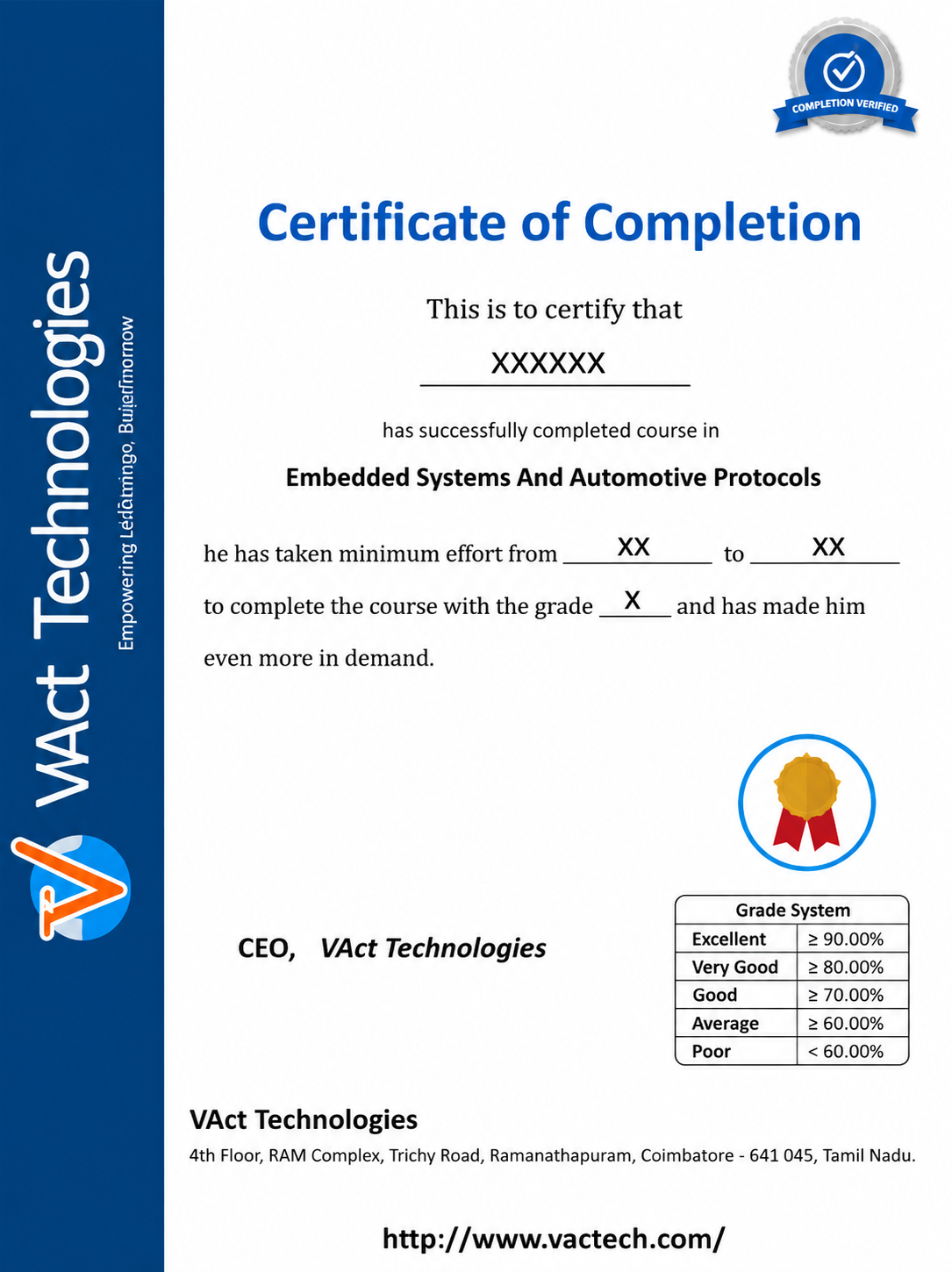
VAct Technologies Certification
Professional Certification

Become a VAct Technologies
Certified Automotive
Embedded Professional

The automotive industry is evolving rapidly, with embedded systems at its core. To thrive in this competitive field, hands-on experience with industry-standard hardware, tools, and software is essential. At VAct Technologies, we bridge the gap between academia and industry by offering cutting-edge training on real-world automotive embedded systems.

Our AutoEdge Development Board provides students with practical exposure to AUTOSAR, CAN, LIN, FlexRay, UDS, and real-time diagnostics—the very technologies used by leading automotive companies. With access to the latest microcontrollers, industry-grade tools, and professional debugging environments, students gain the skills that employers demand.

By enrolling in our Certified Automotive Embedded Program, you will:

  • Work on real-world automotive protocols and embedded software
  • Gain expertise using the latest tools & debugging techniques
  • Learn from industry experts with hands-on project experience
  • Be job-ready for top roles in automotive embedded engineering

Transform your passion into a high-growth career with
VAct Technologies — where innovation meets expertise!

Our Instructors

Meet the Team Passionate
People, Exceptional Talents

Mr.Kumaravel Pandurangan

Founder Managing Directorr

Mr.Raj Pandrala

Presenter

Mr A Prabhakaran

Embedded Systems

Mr. Vijay

GenAi

Mr Sandeep

Automotive & Embedded Systems

Mr Sumitt

QnX & Embdded Linux

Placements

What Our Associates Say

Divakar.R

Hardware Design
Engineer

Our Associates

Divakar.R secured a role as a Hardware Design Engineer. With 7 years of experience, he has strong expertise in hardware design and development.

Dinesh Babu

Embedded
engineer

Our Associates

Dinesh Babu from Batch 51 secured a role as an Embedded Engineer. His technical skills and dedication helped him gain 2 years of successful industry experience.

Abinaya

Sr. SWE�
Automotive

Our Associates

Abinaya secured a role as Senior Software Engineer � Automotive. With 4.5 years of experience, she has strong expertise in automotive software and embedded technologies.

Mukesh.E

mech
design p3

Our Associates

Mukesh.E secured a Mechanical Design P3 role with an impressive salary package of 7 LPA. His 7 years of experience showcase his strong professional growth in mechanical design engineering.

KARTHICK T

Hardware Design
Engineer

Our Associates

KARTHICK T achieved placement as a Hardware Design Engineer. With 6.5 years of experience, he has gained strong expertise in hardware design and validation.

Balamurali

Mechancial Design
Engineer

Our Associates

Balamurali started his career as a Mechanical Design Engineer. His strong understanding of design concepts helped him excel in the mechanical industry.

Testimonial

Trusted by Global
Product Development Companies